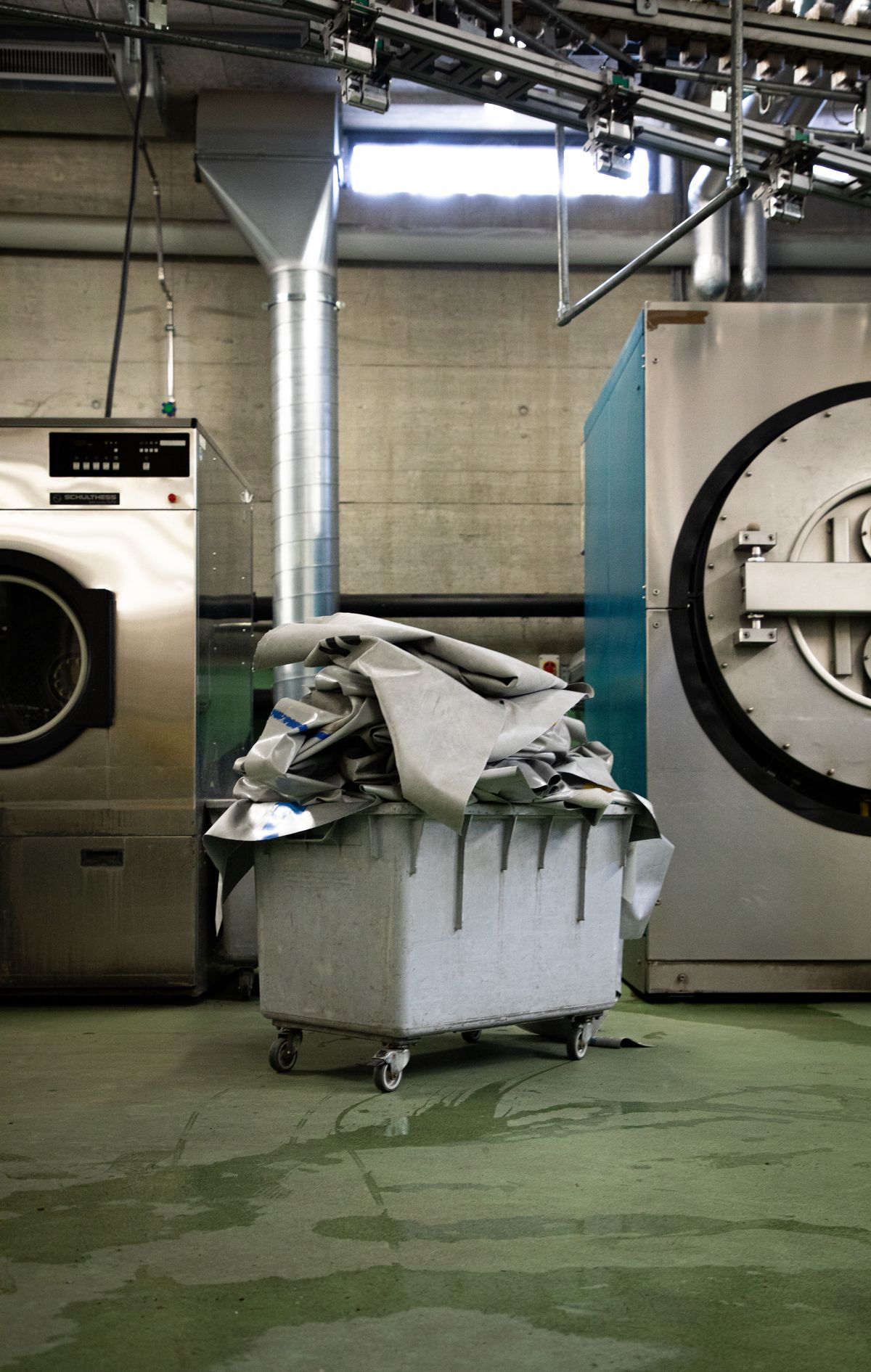
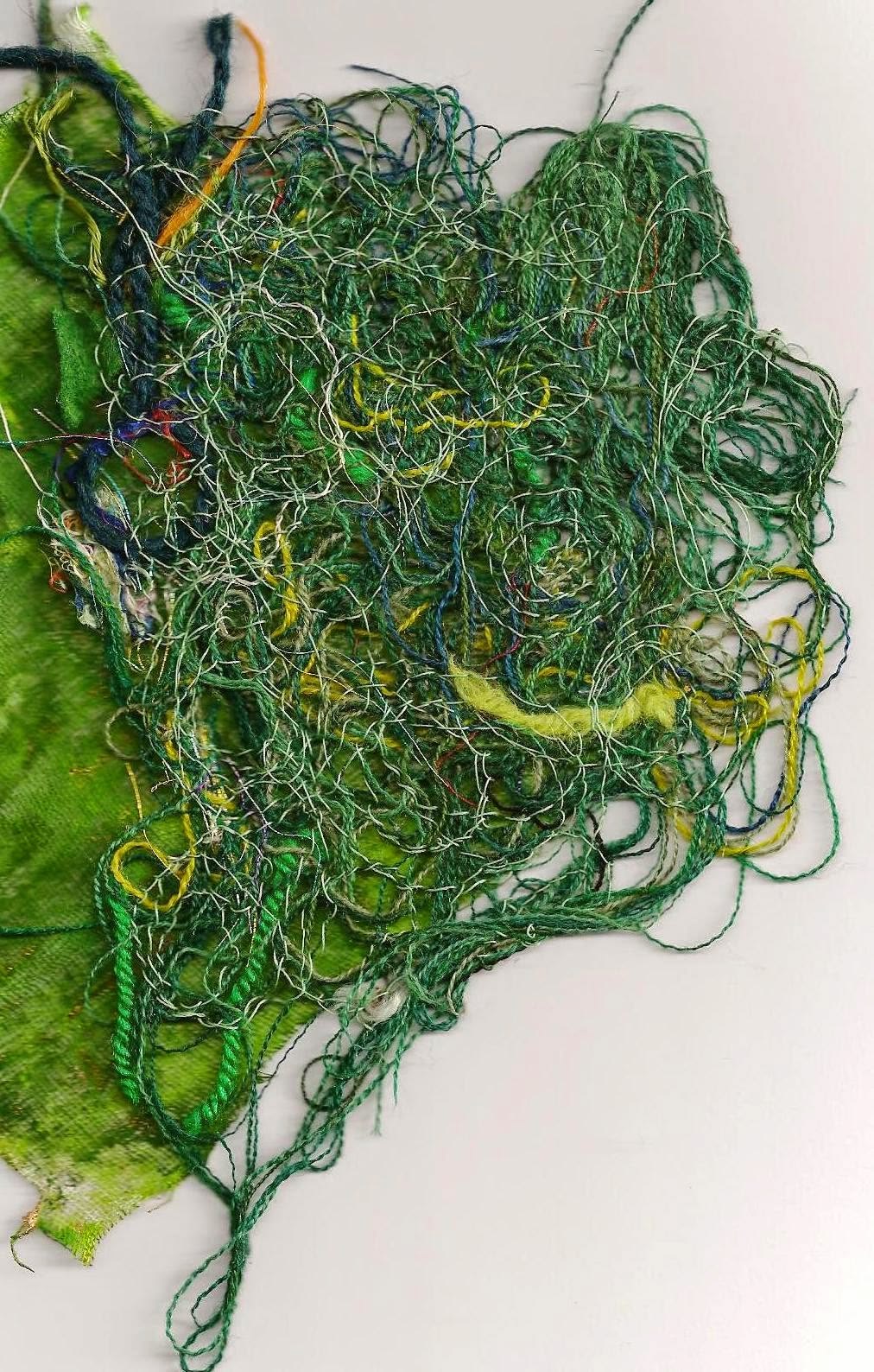
The fake has come a long way. From afar, it fools you. Up close, it always gives itself away; and some brands count on the fact that you won’t look up close.
Summer 2027·Aparthés·The stance
What is the fake? Materials made by an industrial process, that have never known sunlight; no cotton in a field, no cow in a meadow. The most common carry names we all know: polyester, fake leather, acrylic. The fake mimics the grain of leather, wool, silk. It mimics the look, never the behaviour.
We don’t judge those who buy the fake. We judge the brands that sell it as the real thing: fake leather rebranded “vegan leather”, plastic out of a factory by one of the most polluting processes there is, dressed up as an ecological gesture. And the ones that line up clothes at several hundred euros without even 1 % natural fibre inside, and call it luxury.
Polyester doesn’t breathe. Fake leather never takes a patina. Acrylic doesn’t keep you warm the way wool does; it holds the sweat and loses the shape. Synthetic is fixed the day you buy it, and stays that way until it cracks.
The fake costs less, and we don’t pretend otherwise. A fake leather is worth a few euros a metre; a real full-grain hide, ten times that. The real thing isn’t within everyone’s reach all the time, and that question deserves better than contempt.
“The fake is not the problem. The lie is.”
The fake gives itself away on the reverse. A real leather has a leather back; a fake one, a fabric back. The lie always hides on the side you don’t show. We write everything down; on the right side as on the reverse.
A fake leather can be lovely to look at. In the hand, in the wearing, over time, it’s another story; the material, for its part, doesn’t lie.
What is the fake? Materials made by an industrial process, that have never known sunlight; no cotton in a field, no cow in a meadow. The most common carry names we all know: polyester, fake leather, acrylic. The fake mimics the grain of leather, wool, silk. It mimics the look, never the behaviour.
Swipe
We don’t judge those who buy the fake. We judge the brands that sell it as the real thing: fake leather rebranded “vegan leather”, plastic out of a factory by one of the most polluting processes there is, dressed up as an ecological gesture. And the ones that line up clothes at several hundred euros without even 1 % natural fibre inside, and call it luxury.
Polyester doesn’t breathe. Fake leather never takes a patina. Acrylic doesn’t keep you warm the way wool does; it holds the sweat and loses the shape. Synthetic is fixed the day you buy it, and stays that way until it cracks.
The fake costs less, and we don’t pretend otherwise. A fake leather is worth a few euros a metre; a real full-grain hide, ten times that. The real thing isn’t within everyone’s reach all the time, and that question deserves better than contempt.
“The fake is not the problem. The lie is.”
The fake gives itself away on the reverse. A real leather has a leather back; a fake one, a fabric back. The lie always hides on the side you don’t show. We write everything down; on the right side as on the reverse.
A fake leather can be lovely to look at. In the hand, in the wearing, over time, it’s another story; the material, for its part, doesn’t lie.
Stay close
Miss nothing of what’s coming.
Sign up to see the first pieces before anyone else: the prototypes are unveiled by the end of 2026, Chapter 0 opens in summer 2027.