Journal · Chronicle 04 · The workshop

Garment-making in Europe.

You can have a piece stitched on the other side of the world for a few euros. We chose the opposite; in Europe, and above all in Portugal.

Summer 2027·Aparthés·Europe · Portugal
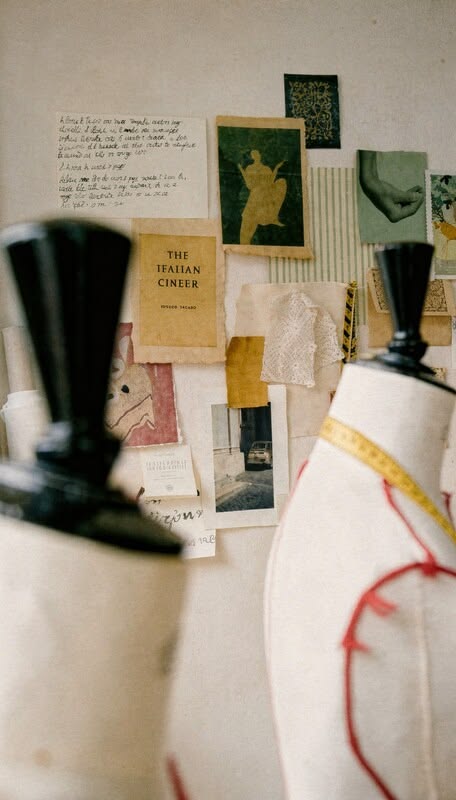
Garment workshop, dress form and moodboard

Portugal has quietly become one of the great workshops of the European wardrobe. Today they stitch there for houses whose factories aren’t allowed to say the name. The hand is exacting, the tooling modern, the textile know-how never died out. And the distance is short: less transport, more control, and the chance to look in the eye the people who make.

Portugal isn’t alone. France for some pieces, Italy for others, and a few Eastern countries whose seriousness is underestimated. Poland, for instance: you find hosiers there at a level that surprises, knitwear and sock workshops of rare precision. You choose the workshop for what it can do, not for the flag it lets you fly.

“You choose the workshop for what it can do.”

Making close to home costs more, and we own that. Behind the price of an hour of European sewing, there is a know-how being kept alive. It isn’t a matter of flags: China has excellent workshops too, and some of our elements will come from there; the tissue paper, the boxes, the dust bags. We don’t choose one country against another, we choose the workshop that best does what we entrust to it.
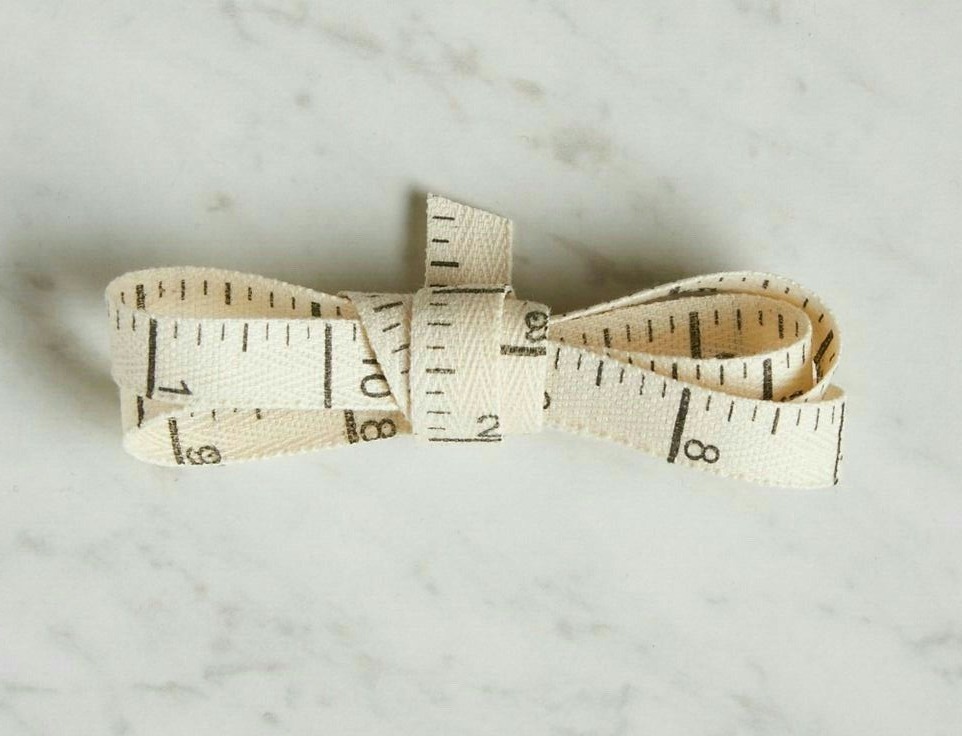
A tailor’s measuring tape

Making within reach means seeing what happens, correcting fast, refusing a finish that isn’t right before it goes into production. The cut, the assembly, the topstitching: all of it carries the signature of a place. We want ours to be European, because that is where the craft we respect still lives.
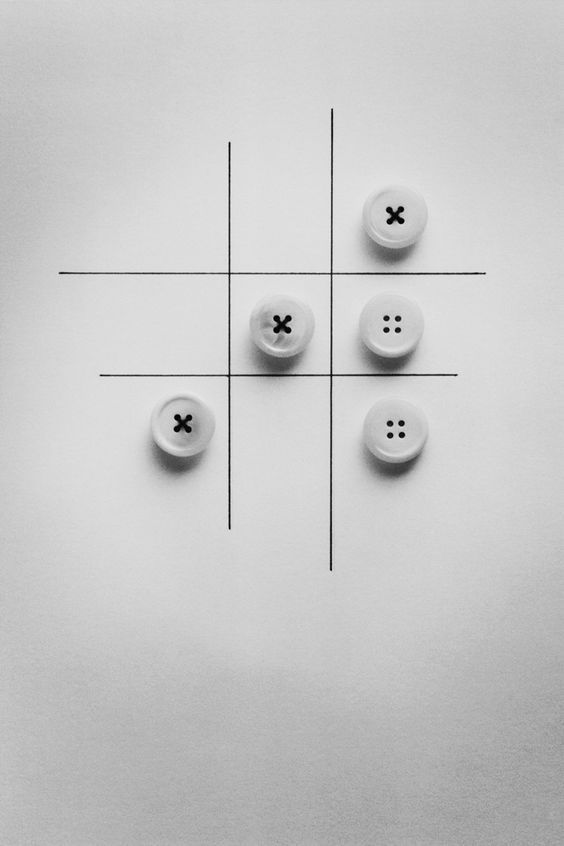
Buttons laid out in a noughts-and-crosses grid

We will always name where our pieces are made. Not as a slogan, as a habit. When you have nothing to hide about the place, you say it; and when you say it, you bind yourself to hold to it.

Portugal has quietly become one of the great workshops of the European wardrobe. Today they stitch there for houses whose factories aren’t allowed to say the name. The hand is exacting, the tooling modern, the textile know-how never died out. And the distance is short: less transport, more control, and the chance to look in the eye the people who make.

Swipe
Garment-making detail in the workshop

Making within reach means seeing what happens, correcting fast, refusing a finish that isn’t right before it goes into production. The cut, the assembly, the topstitching: all of it carries the signature of a place. We want ours to be European, because that is where the craft we respect still lives.

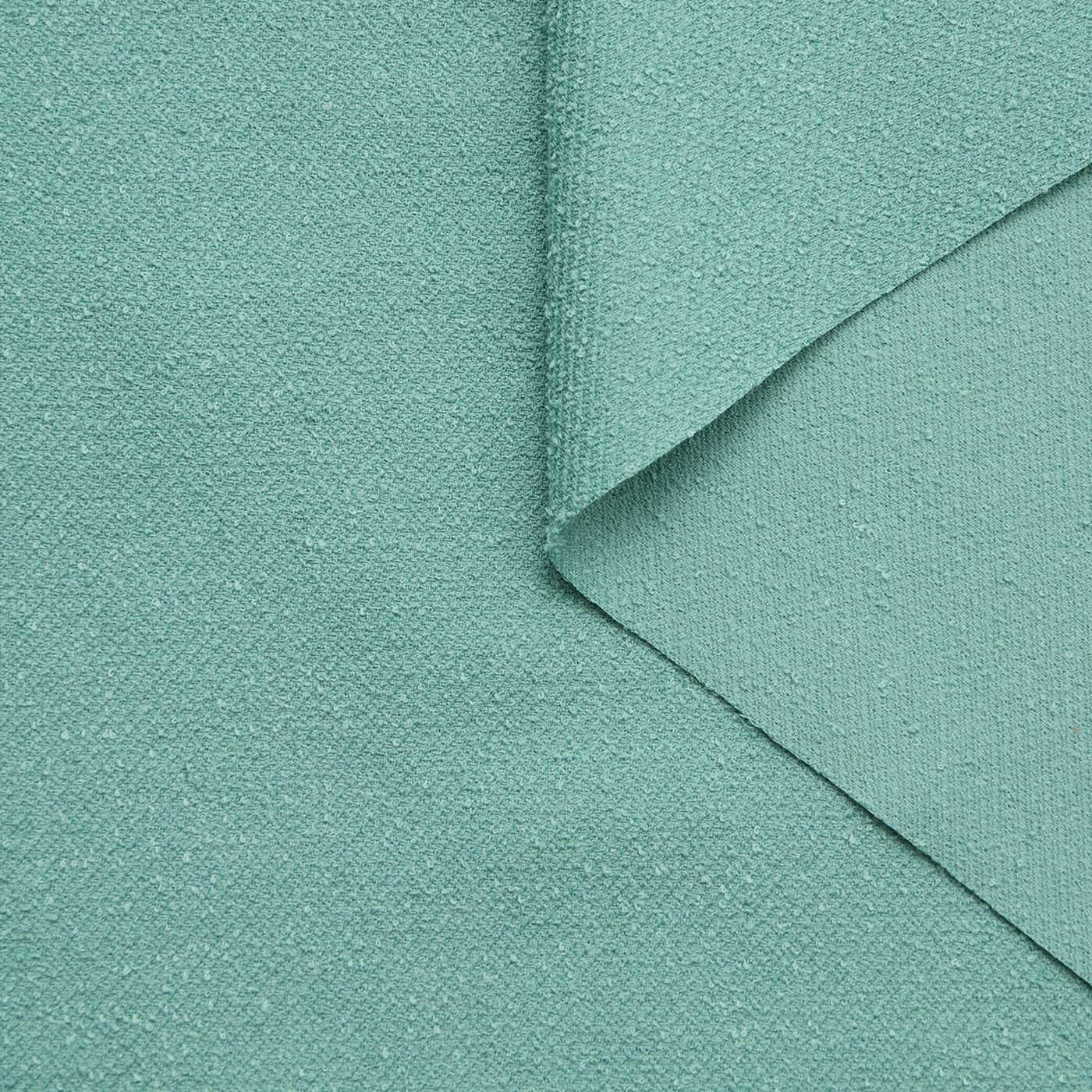
Leather in petrol-blue dye

We will always name where our pieces are made. Not as a slogan, as a habit. When you have nothing to hide about the place, you say it; and when you say it, you bind yourself to hold to it.

Portugal isn’t alone. France for some pieces, Italy for others, and a few Eastern countries whose seriousness is underestimated. Poland, for instance: you find hosiers there at a level that surprises, knitwear and sock workshops of rare precision. You choose the workshop for what it can do, not for the flag it lets you fly.

“You choose the workshop for what it can do.”

Making close to home costs more, and we own that. Behind the price of an hour of European sewing, there is a know-how being kept alive. It isn’t a matter of flags: China has excellent workshops too, and some of our elements will come from there; the tissue paper, the boxes, the dust bags. We don’t choose one country against another, we choose the workshop that best does what we entrust to it.

A tailor’s measuring tape on marble
Stay close

Miss nothing of what’s coming.

Sign up to see the first pieces before anyone else: the prototypes are unveiled by the end of 2026, Chapter 0 opens in summer 2027.

Thank you. See you soon.

InstagramTikTok