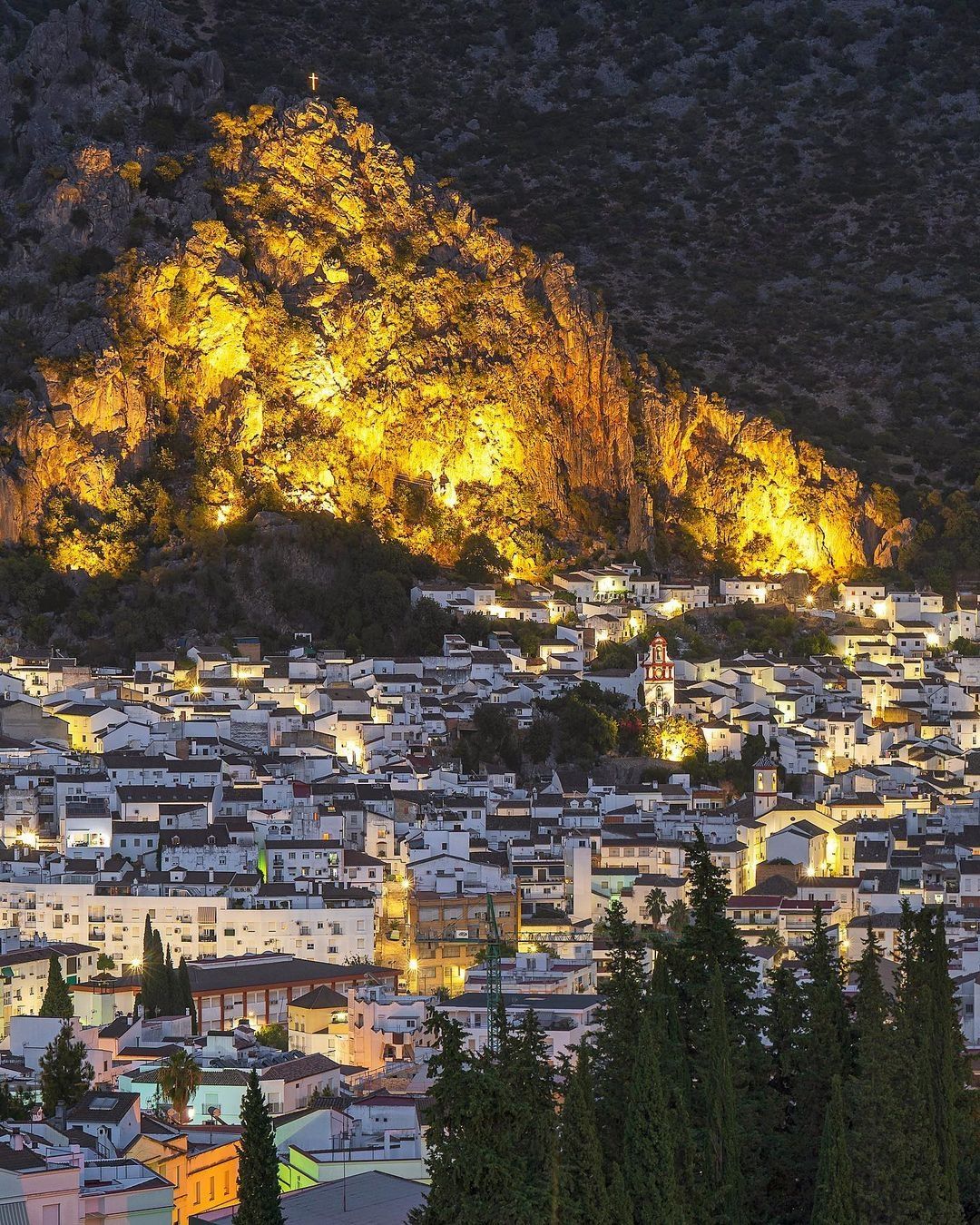
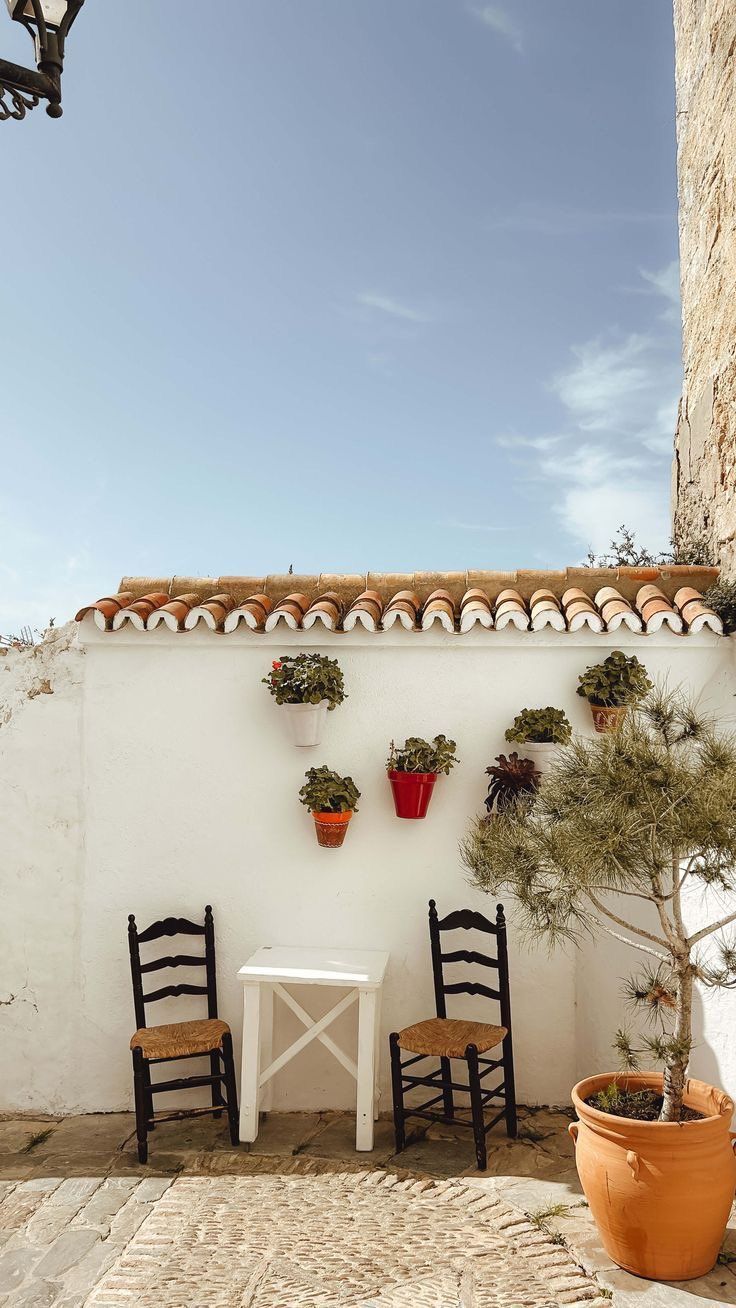
In the south of Spain there is a small Andalusian town where leather has been a craft for generations. It is called Ubrique. There, the leather goods of the greatest houses in the world are stitched, often without it being said.
Summer 2027·Aparthés·The workshop
Ubrique is not a name the wider public knows. Yet it is one of the quiet hearts of European luxury: a white village clinging to the mountain, where leather has been worked for so long that no one thinks about it anymore. No assembly line, no imposed pace; family workshops, and the time it takes for a piece to be right.
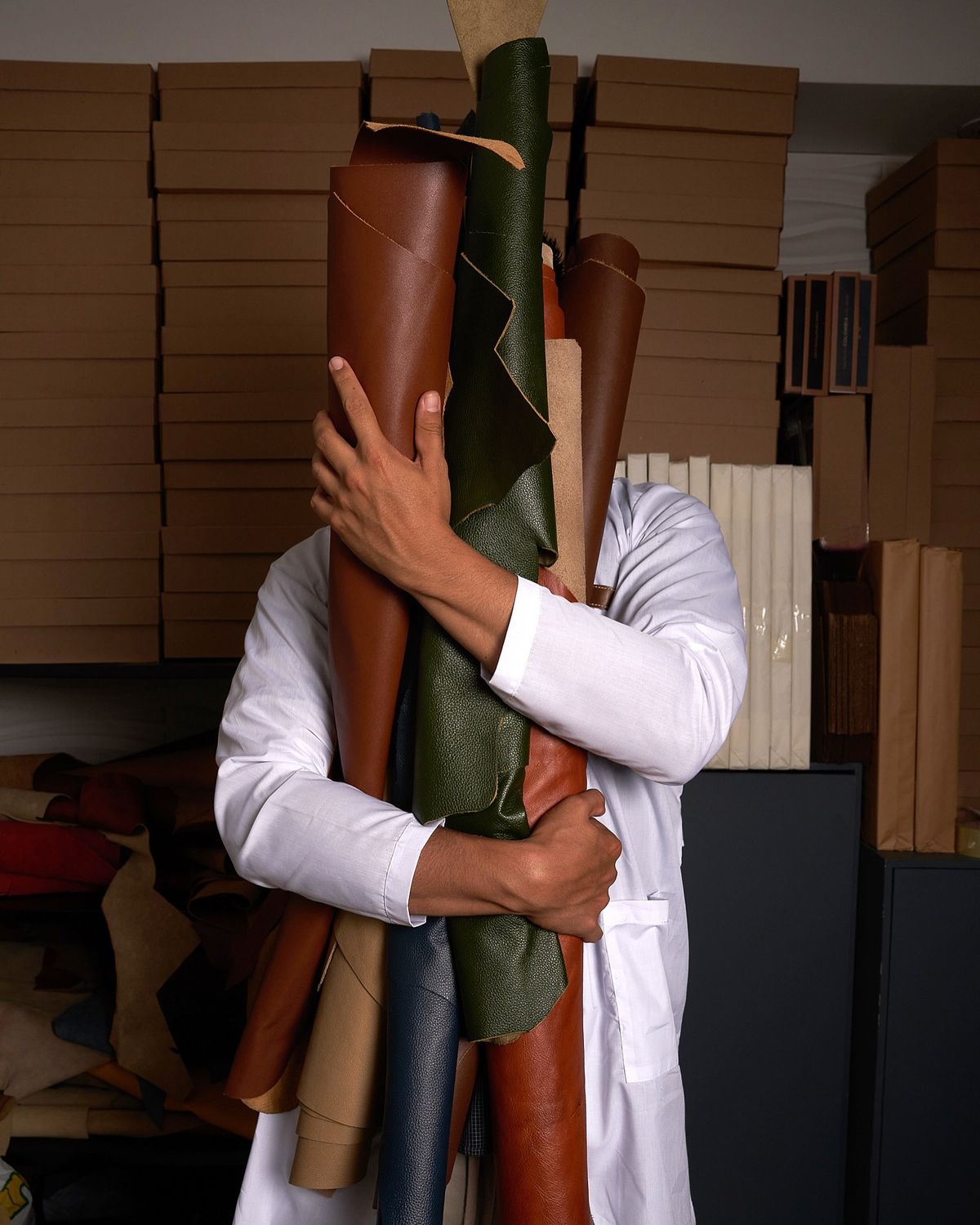
If we tell Ubrique’s story, it’s because it is there that we bring part of our leather goods to life. The same hands as the great houses, the same gesture passed from father to son, the same exacting standard that comes not from a spec sheet but from the fingers. You don’t hand a hide to just anyone; you choose the person as much as the place.
“Craftsmanship has an address. No reason to hide it.”
The great houses have had things made there for decades and say nothing of it; discretion is part of the deal. We prefer to name the place. Not for the postcard, but because a well-made object deserves to have the hands it passed through named. To hide Ubrique would be to erase the people who do the work.
We could stitch more cheaply elsewhere. We could write “made in Europe” and stop there, like so many others. But a house is defined as much by where it makes as by what it makes. Ours begins there, in this village that knows how to do one thing and has always done it.
It’s what is lost everywhere else and still found here: a craft no machine has replaced. We add our name to it in turn. Quietly, but without hiding it.
Ubrique is not a name the wider public knows. Yet it is one of the quiet hearts of European luxury: a white village clinging to the mountain, where leather has been worked for so long that no one thinks about it anymore. No assembly line, no imposed pace; family workshops, and the time it takes for a piece to be right.
Swipe
If we tell Ubrique’s story, it’s because it is there that we bring part of our leather goods to life. The same hands as the great houses, the same gesture passed from father to son, the same exacting standard that comes not from a spec sheet but from the fingers. You don’t hand a hide to just anyone; you choose the person as much as the place.
“Craftsmanship has an address. No reason to hide it.”
The great houses have had things made there for decades and say nothing of it; discretion is part of the deal. We prefer to name the place. Not for the postcard, but because a well-made object deserves to have the hands it passed through named. To hide Ubrique would be to erase the people who do the work.
Swipe
We could stitch more cheaply elsewhere. We could write “made in Europe” and stop there, like so many others. But a house is defined as much by where it makes as by what it makes. Ours begins there, in this village that knows how to do one thing and has always done it.
It’s what is lost everywhere else and still found here: a craft no machine has replaced. We add our name to it in turn. Quietly, but without hiding it.
Stay close
Miss nothing of what’s coming.
Sign up to see the first pieces before anyone else: the prototypes are unveiled by the end of 2026, Chapter 0 opens in summer 2027.